
"entered Central and South America."
400 article(s) found

The origin of coffee
The world's first coffee tree was found in the Horn of Africa. Local indigenous tribes often grind the fruit of coffee and knead it with animal fat to make many ball-shaped balls. These indigenous tribes use these coffee balls as precious food for soldiers who are about to go out to battle.

Introduction to the treatment method of planting and Development History of single Bean Flavor in Huofenghuang Manor
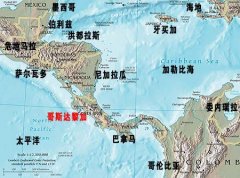
For the exchange of professional baristas, please follow the coffee workshop (Wechat official account cafe_style) Costa Rica Costa Rican population: 4586000 in the past, Costa Rica has successfully sold its coffee under the name of the region where it is produced. However, tastes vary from region to region, so it's worth exploring each different region to see what kind of coffee they can produce.

Introduction to the characteristics of varieties and taste of the flavor description treatment method of Hassanda coffee garden in Ecuador
Central mountain: after entering Ecuador from Colombia, the Andes is divided into the eastern and western Cordillera mountains, with a plateau high in the north and low in the south, averaging between 2500 and 3000 meters above sea level. The Andes run through the middle of the border. The ridges crisscross, dividing the plateau into more than ten intermountain basins. The most important are the Quito basin and the Cuenca basin in the south. Volcanic crowds in the territory
Coffee's third world--China and America
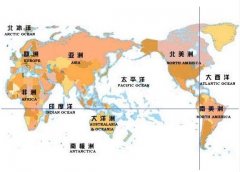
Friends who like coffee know Africa because of Ethiopia, know South America because of Brazil, enter the Caribbean Sea because of Blue Mountain, yearn for Hawaii because of Kona. Of course, these are coffee paradise that coffee friends have to know, but there is also a team that is neither old nor novel enough, but it is coffee belt, especially fine coffee.

Fragrant Coffee Flavor description of Santa Cruz Manor in Ecuador introduction of Grinding degree planting Environment
West coast: including coastal plains and foothills, high in the east and low in the west, generally below 200 meters above sea level, with some hills and low mountains at an altitude of 600 to 700 meters. Belongs to the tropical rain forest climate, the southernmost end begins to transition to the savanna climate. The average annual precipitation decreases from more than 3000 mm to about 500mm from north to south. Central Mountains: the Andes enter Ecuador from Colombia

The origin of coffee boutique coffee basic common sense
The world's first coffee tree was discovered in the Horn of Africa. Local indigenous tribes often grind the fruit of coffee and knead it with animal fat to make many spherical balls. These indigenous tribes treat these coffee balls as precious food for those who are about to go to war. At the time, people didn't understand how coffee eaters behaved

Introduction to the flavor and taste characteristics and roasting degree of Peruvian organic coffee beans in America
Flavor and taste characteristics: high-quality and balanced, palatable acidity, can be used for mixed drinks, Peruvian coffee does not have a long history, but as a rising star, Peruvian coffee is gradually opening up its popularity and entering the world. Peru is located in western South America, with a coastline of 2254 kilometers. The Andes runs from north to south, and the mountains account for 1% of the country's area. it belongs to the tropical desert region with a dry climate.

Characteristics of coffee beans in three producing areas-characteristics of coffee beans in Central and South America
Characteristics of coffee beans in three producing areas-characteristics of Central and South American coffee beans Mexican coffee is a coffee-producing area from Cottpe and Veracruz in the north to Plamas in the central Oaxaca region to Chiapas in the southernmost area. and the flavor of each region is also different. Although there are many producing areas in Mexico, because the quality stability is not high, so we have to try in many ways in order to get high quality.

Mellow and smooth Peruvian Coffee Flavor the characteristics of the manor area introduce Peruvian boutique coffee beans
Peru is also a big coffee producer. Up to 98% of Peruvian coffee is grown in forest areas, and most producers are small farmers. Coffee is high-quality and balanced and can be used for mixed drinks. Peru has good economic conditions and a stable political situation, thus ensuring the good quality of coffee. In the mid-1970s, Peru produced about 900000 bags of coffee a year, and then continued.

Introduction to the unique flavor and taste of Hassanda Coffee Manor in Ecuador
West coast: including coastal plains and foothills, high in the east and low in the west, generally below 200 meters above sea level, with some hills and low mountains at an altitude of 600 to 700 meters. Belongs to the tropical rain forest climate, the southernmost end begins to transition to the savanna climate. The average annual precipitation decreases from more than 3000 mm to about 500mm from north to south. Central Mountains: the Andes enter Ecuador from Colombia

Characteristics of Peruvian coffee
As a rising star in the coffee industry, Peruvian coffee is gradually opening up its popularity and entering the international market. Peruvian coffee has always been used as one of the stable and mellow mixed beans of comprehensive coffee. Peruvian coffee has a mellow taste and the right acidity, and this lukewarm coffee attitude has made more and more people like it. Peru is located in western South America, with a coastline of 2254 kilometers. Andi

Characteristics of Peruvian coffee
As a rising star in the coffee industry, Peruvian coffee is gradually opening up its popularity and entering the international market. Peruvian coffee has always been used as one of the stable and mellow mixed beans of comprehensive coffee. Peruvian coffee has a mellow taste and the right acidity, and this lukewarm coffee attitude has made more and more people like it. Peru is located in western South America, with a coastline of 2254 kilometers. Andes

Characteristics of Peruvian coffee
As a rising star in the coffee industry, Peruvian coffee is gradually opening up its popularity and entering the international market. Peruvian coffee has always been used as one of the stable and mellow mixed beans of comprehensive coffee. Peruvian coffee has a mellow taste and the right acidity, and this lukewarm coffee attitude has made more and more people like it. Peru is located in western South America, with a coastline of 2254 kilometers. Andes

soft, silky Colombia coffee in northwest south America
The National Coffee Management Association of Colombia, like Kenya's National Management Association, is a model for coffee organizations. Colombia is more concerned with product development and production promotion than other producing countries. It is this, coupled with its superior geographical and climatic conditions, that makes Colombia coffee delicious and famous all over the world. Coffee's status in Colombia is illustrated by the following examples
South American boutique coffee beans recommend Peruvian organic coffee
Peru: organic coffee flavor and taste characteristics: high quality and balanced, palatable acidity, can be used for mixed drinks. Peruvian coffee cultivation history is not long, but as a rising star, Peruvian coffee is gradually opening up its popularity and entering the international market. Peru is located in western South America, with a coastline of 2254 kilometers. The Andes runs from north to south, and the mountains account for 1% of the total area of the country, which belongs to tropical sand.

Columbia Coffee Flavor Manor in Northwest South America introduces Lazmus Manor
The National Coffee Management Association of Colombia, like the National Management Association of Kenya, is a model of coffee organization. Compared with other producing countries, Colombia is more concerned with developing products and promoting production. It is this, coupled with its superior geographical and climatic conditions, that makes Colombian coffee excellent in quality and delicious and famous all over the world. The status of coffee in Colombia comes from the following examples

Located in the northwest of South America, Columbia Coffee Culture Coffee Manor introduces the characteristics of Lazmus Village.
Colombia is located in northwestern South America, bordered by the Pacific and Atlantic oceans. Panama in the northwest, Venezuela in the east, Brazil in the southeast, Peru in the south and Guadore in the southwest. Colombian Coffee Culture in 1808, a priest first introduced coffee to Colombia from the French Antilles via Venezuela. Today the country is the second largest after Brazil

Peruvian coffee flavor Peruvian coffee characteristics
As a rising star in the coffee industry, Peruvian coffee is gradually opening up its popularity and entering the international market. Peruvian coffee has always been used as one of the stable and mellow mixed beans of comprehensive coffee. Peruvian coffee has a mellow taste and the right acidity, and this lukewarm coffee attitude has made more and more people like it. Peru is located in western South America, with a coastline of 2254 kilometers. Andes